

Promotions can make an online casino look attractive, but safer play depends more on the controls available after registration. Before considering any offer, Canadian adults should understand how deposit limits, session breaks, loss limits and self-exclusion work, what each tool can and cannot prevent, and when support may be needed. Information connected with lussurio casino login indicates that Lussurio lists several account-control options, although the exact activation process and terms should be confirmed directly with the operator.
Start with the limit that matches your risk
A deposit limit controls how much money can be added to an account during a chosen period. Depending on the system, the period may be daily, weekly or monthly. This is useful because it creates a barrier before money reaches the balance, rather than relying on a decision made while playing. A realistic limit should reflect discretionary spending, not rent, debt payments, food, savings or other essential costs.
A wagering limit addresses the amount staked, while a loss limit focuses on the amount that can be lost. These are not interchangeable. Someone may deposit a modest amount but wager it repeatedly, or deposit more than planned and stop after only a small loss. If the account offers all three controls, consider setting them together so that one limit does not undermine another.
Responsible gambling controls listed for the platform include deposit, wagering and loss limits. They also include time or session limits and reality checks. Treat the first setting as a planning exercise rather than a target to reach. If the system allows changes, check whether an increase takes effect immediately or only after a delay. Do not assume that a limit applies across other operators, payment accounts or gambling products.
How do time controls change the playing decision?
Time limits are designed to interrupt continuous play. A session limit can help define when a gambling period ends, while a reality check reminds the player how long they have been active. These prompts are valuable because casino games are designed to make individual rounds feel quick and separate, which can make a long session difficult to notice.
Use a time control before opening a game, not after losing track of time. Decide what the session is for, set an end point and plan an activity away from the screen afterwards. A reminder is not the same as a forced stop: if the platform lets play continue after a prompt, the player still has to act. A tool that requires account closure or a cooling-off period offers a stronger interruption.
Time limits also have practical weaknesses. They may not cover play on another device, another account or another gambling website. Browser activity can continue in the background, and a player may disregard repeated messages when emotionally involved. For that reason, combine a session limit with a spending limit and avoid gambling when tired, upset, intoxicated or trying to recover previous losses.
When is a cooling-off period more useful than a limit?
A cooling-off period is appropriate when a short break is needed without permanently closing an account. It can create distance after an unusually long session, a series of losses or an urge to increase stakes. The duration and activation rules matter. Before relying on the feature, check whether it starts immediately, whether it can be cancelled, and which account activities remain unavailable during the break.
Self-exclusion is a stronger choice when gambling is becoming difficult to control. It is not simply a reminder or a lower spending ceiling; it is intended to restrict access for a selected period. Ask whether the request covers only one account or has a wider scope. The available source material identifies self-exclusion as an account control, but does not establish every duration, coverage rule or technical restriction.
Neither option should be treated as a test of willpower. If you find yourself repeatedly cancelling limits, opening replacement accounts, hiding activity or borrowing money to gamble, stop depositing and seek support. The Responsible Gambling Council’s information resources can help Canadian readers understand safer-play principles and find relevant guidance. Immediate financial or emotional danger calls for professional assistance rather than another account setting.
What should you check before accepting a promotion?
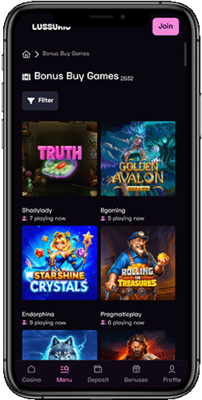
Promotions can make responsible limits harder to follow because the offer may encourage an additional deposit or extend a session. The published material describes matched bonuses, free spins, reloads, cashback, tournaments and loyalty rewards, but the details vary by campaign. A headline percentage does not reveal the required deposit, maximum bonus, wagering requirement, eligible games or expiry period.
Read the specific offer before opting in. Check whether wagering applies to the deposit and bonus together, whether live dealer, instant-win or crash games contribute differently, and whether a withdrawal cancels the bonus balance. Also look for restrictions on one active promotion at a time, qualifying deposits and any winnings cap. If the terms are unclear, do not treat the promotion as available income or as a reason to raise your limit.
A practical test is to decide your maximum affordable spend before viewing the promotion, then keep that amount unchanged. If the offer requires more than you intended to deposit, it is not a saving. Free spins and cashback can still encourage longer play, and bonus funds may not be withdrawable without conditions. Keep a written record of the offer’s requirements and stop if the promotion changes your planned behaviour.
Review account access and support before a problem occurs
Responsible gambling is easier when account information is accessible. Check whether the account area shows deposits, withdrawals, betting history, active bonuses, applied limits and time spent. A clear record helps identify patterns that are easy to miss during individual sessions. If the interface does not explain a control, ask support how it works before making a deposit.
The available information lists 24/7 live chat and email support, along with assistance for locked accounts, bonus cancellation, payout status and verification matters. Support is not a substitute for treatment or financial counselling, but it can clarify whether a limit, cooling-off request or self-exclusion has been applied. Keep copies of requests and replies, especially when asking for a restriction or account closure.
Account security also supports safer decisions. Registration and verification may require accurate identity, residence and contact information, and checks can occur before withdrawals. Do not create duplicate accounts to bypass a restriction or promotion condition. If access is limited, provide only the requested information through the stated support route and avoid depositing more money while the issue is unresolved.
Questions about responsible gambling controls
Can a deposit limit prevent every gambling loss?
No. A deposit limit only restricts money added to the particular account and period covered by the setting. It may not include other operators, existing balance funds, another account or alternative payment sources. Pair it with a loss limit, session limit and, when necessary, a cooling-off period or self-exclusion request.
Is a reality check the same as a session limit?
No. A reality check is generally a reminder about time or activity, while a session limit may define when play must stop. The actual behaviour depends on the operator’s system. Read the control description carefully and do not assume that a reminder automatically blocks further play.
Should I accept a bonus if I have already set a spending limit?
Only if the offer fits within the limit you set before seeing it and you understand every condition. A bonus may require additional wagering, extend play or make withdrawals subject to restrictions. Never increase a limit to qualify, and skip the promotion if its terms are unclear or it changes your plan.